

Sydney Sweeney, I hate your ad. On September 9, Sydney Sweeney released her “Just Sports” ad for Novig, an online sports prediction and betting platform. The advertisement shows a naked Sweeney wearing sporting equipment over her private parts as she displays the various types of sports that bettors can trade in. Rather than demonstrating athletic performance, the ad opts to project a vision of female athleticism which appeals to the sexist male gaze. Sweeney herself describes the ad as having a “playful edge.” Meanwhile, female athletes have expressed outrage on various social media platforms and news outlets.
While the Sweeney sparked debate and conversation across the internet, it is only a variation on a theme that has been prevalent for years with the rise of social media. Because many people have access to social media, we are all in constant conversation with and about others’ internet personas and lifestyles. Following Sweeney’s misogynistic and tone-deaf ad, it is necessary to have a conversation about what responsibility women with large followings have to their audiences, which largely comprises young women. Are they required to be their role models? And how should social media users respond to content that objectifies and reduces female athletes to their sexuality?
Amassing thousands to millions of viewers and followers comes with a large responsibility, regardless of whether creators are willing to accept it or not. Creators dictate “trends, livelihoods, and norms about groups of people and ways of life. On Alex Cooper’s podcast Call Her Daddy, pop star Chappell Roan complained about the expectation that female celebrities must “tour, write, perform, interview, sleep, and eat…How can they do it all…and be so politically educated?” While her frustration is valid, the reality is that celebrities should be held to higher standards as their larger platforms have the power to affect large audiences, unlike the average individual. Thus, they should politically educate themselves and fight for what is right. It is precisely because Sweeney has this responsibility that her ad is not simply “playful.” Rather, it actively promotes patriarchal depictions of female athletes for millions of female and male viewers, establishing them as sexual figures rather than competitors to be taken seriously.
The sexualization of female athletes at the expense of acknowledging their skill is a recurring pattern which must be fought in order to ensure social equality in sports and beyond. We see this pattern when “health” influencers, celebrities, and creators choose to promote the importance of bodily aesthetics, appealing to patriarchal expectations of beauty where women must be lean and healthy for male validation. However, this healthiness cannot translate into muscularity, grit, and competitiveness, as these traits are “unfeminine.” Kiara Gaspari from Change Creates Change Eating Disorder Care, an eating disorder treatment centre, argues that “[s]elf-proclaimed health influencers often promote restrictive dietary patterns and extreme fitness regimens under the disguise of a ‘healthy lifestyle’.”
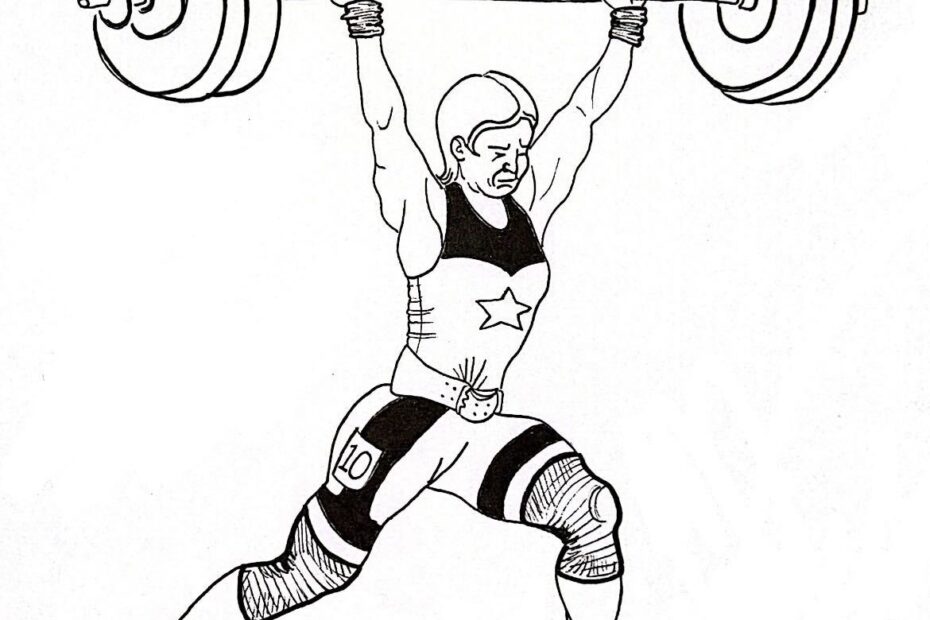
Sweeney’s ad and the world of aesthetic-obsessed health influencers serve as a manifestation of the pervasiveness of patriarchy in female athleticism. This content teaches girls around the world that genuine athleticism — which consists of pain, tenacity, and imperfection — and physical attractiveness are mutually exclusive. We should fight these misogynistic practices and norms by uplifting celebrities, professional athletes, and creators who affirm women’s ability to be athletic, skilled, and strong. British 2:50 marathoner Mary McCarthy is a great example of someone who young girls should look to. She is known for measuring her success against herself and emphatically appreciating people who tell her “I began running because of you.” In response to the Sweeney ad, she made a video that says “Sydney Sweeney, I HATE your ad…we need role models… who value what they can do, NOT what they look like.” Rather than avoiding the responsibility of having an online following McCarthy embraces it. She, and many others, want to push themselves, want to win, want to be role models to young women worldwide.
Part of being a role model to young women and girls is also showing them that beauty can coexist with athleticism. Freestyle Olympian skier Eileen Gu exemplifies this as she is a three- time Gold medalist as well as a model for high-profile brands like Louis Vuitton. Her example demonstrates that celebrities like Sweeney do not have to diminish athletic ability in order to be perceived as beautiful. Sweeney’s ad was particularly problematic as sports industries are entrenched in sexism that affect women and girls’ self- perception as athletes. According to UN Women, by the age of 14, girls drop out of sports at a rate twice as high as boys in their age group.Moreover, 70 per cent of girls “don’t feel they belong in sport due to gender stereotypes.” Sweeney’s salacious advertisement only serves to reinforce these sexist barriers and stereotypes, promoting the untrue notion that women in sports are only sensual and unskilled. This is not only harmful for the millions of girls who already experience pressure to leave sports, it is also harmful as male viewers are further emboldened to discreditand sexualize female athletes.
Sweeney’s ad reduces female athletes to their sexuality and physical attractiveness, diminishing their athleticism and their historical and present-day commitment to fighting for gender equality in the male- dominated sports industry. In doing so, Sweeney reminds society that we must continue fighting for better female representation in sport. It is time that we replace the voices of misogynists with those of incredible female athletes. Women and girls online deserve to see female athleticism for what it truly is: a testament to female grit, beauty, and resilience.