
As we enter November, I am confident that many McGillians share the dread I feel, knowing that the days of sitting on Lower Field with only a light sweater are behind us. As a Canadian, I don’t believe I will ever fully acclimatise to this weather, even two decades in.
Facing this impending drop in temperature and the relegation of warm weather to the realm of the fever dream, I decided a rewatch of Sterling Point (2026) was in order. How better to hold onto Canada’s summers than by climbing right back into that environment, letting this well-made, sunny, coming-of-age show take over my screen once again?
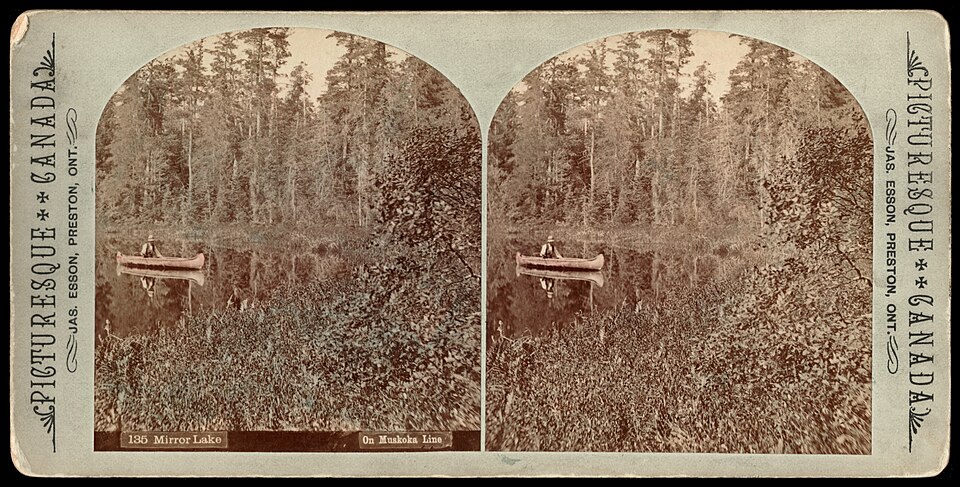
Sterling Point tells the story of Annie Jacobson (Ella Rubin), a wealthy teenager from New York City. Amidst her estranged grandfather’s death, she discovers that she and her twin brother Connor (Keen Ruffalo) are inheritors of Sterling Point, a fictional island in Muskoka, Ontario. To Canadians in the know, Muskoka is the “Hamptons of the North,” established as a vacation spot for wealthy Canadians and celebrities. Clueless to this legacy and to the ways of Canada, generally, Annie’s summer sees her initiated into Ontario cottage culture, thanks to the local teenagers whom she soon encounters and befriends.
A collaboration between Canadian and American creatives, Sterling Point follows in the footsteps of Heated Rivalry (2025), which put Canadian television on a more global radar. Sterling Point’s Canadian director, Megan Park, worked alongside American showrunners like Josh Schwartz and Canadian showrunners like Stephanie Savage. On top of that, the majority of the actors are also a diverse mix of Canadians and Americans.
Canadian-American relations over the last couple of years have, at times, been tense, with the average person caught in the cross-fires of a trade war they never asked for. Instead of emphasising this divide, this show reads like a love letter to Canada, celebrating its beauty and welcoming Americans to share in it.
Unlike most young adult-centred series, the dialogue between characters is refreshingly organic, and the comedy is not forced. Admirably, too, the writers poke fun at Canadians as much as they do Americans. Their jokes underscore each country’s ignorance of the other, like Connor’s confusion as to what a beavertail is, or the Canadians’ conviction that all New Yorkers must live exciting lives. Though there is evident teasing of many Americans’ lack of knowledge of Canada, I appreciated that the jokes did not stem too much from the overplayed “stupid American” trope.
The show mainly fixates on the characters’ friendships, familial relationships, and mental health struggles. The ever-present background of Ontarian lakes and forestry cannot be divorced from the plot, however. With Canada’s mainstream reputation centering around the cold, I appreciated Sterling Point’s acknowledgement of the very real, if fleeting, seasonal warmth of which our country is equally capable.
The show also discusses, if briefly, Canada’s social and historical complexities. One of the main local characters, Ellis Anderson (Jacob Whiteduck-Lavoie), speaks openly about problems and social issues that continue to plague Canada. He and his mother Kate (Elle-MáijáTailfeathers) are Indigenous, played by Indigenous actors. When Annie jokes that nothing bad happens in Canada, Ellis corrects this notion. Given the tendency for young adult television series to gloss over important social causes in favour of drama and plot, these references felt refreshing and situated the show in its setting.
From the first episode, there is also much discussion of class disparity: Muskoka means something very different to its year-round residents than it does to city-dwellers whose second, or even third, estates are on the lakes. Ellis often expresses his concerns about rural gentrification and his family’s future in Muskoka. In contrast, this is not how Rory Ballantine (Daniel Quinn-Toye), Annie’s New Yorker friend, experiences Muskoka, belonging as he does to this category of the summer visitor. While he and his friends drown their summers in alcohol, parties, and cliff-diving, anticipating the start of his first semester at Columbia University, Ellis and fellow local Sully (Nikko Angelo Hinayo) are stuck working for their families’ small businesses. Subtle aggressions from Lincoln (Siddhart Sharma), a side character, insinuating that Ellis is his servant, seep into the wider-reaching conversation about wealth gaps in Canada. Sterling Point, notably, has been criticised for failing to address themes of race and racism in Canada’s rural areas. Hopefully, these aforementioned scenes set a precedent for the further unpacking of serious topics in later seasons.
In terms of thoughtful social commentary but also in terms of entertainment value, I find this first season of Sterling Point promising. McGill’s population being highly represented by American students, too, the show serves as a relevant and enjoyable reminder that friendships between individuals from different countries can occur in spite of political tension. It also reminds us what natural, summery beauty awaits on the other side of the impending snow.
As we gear up for finals and the wintry cold, why not find solace in some Canadian warmth on our screens?


