During my first year, I was filled with both apprehension and excitement after moving from a small town on the Canadian East Coast to Montreal. But there was one thing I was convinced of: I wanted to experience everything the big city had to offer, including seeing artists I had long admired perform in-person. Considering I had been forced to indulge in my love for music and art in private, Montreal’s artistic scene quickly drew me in.
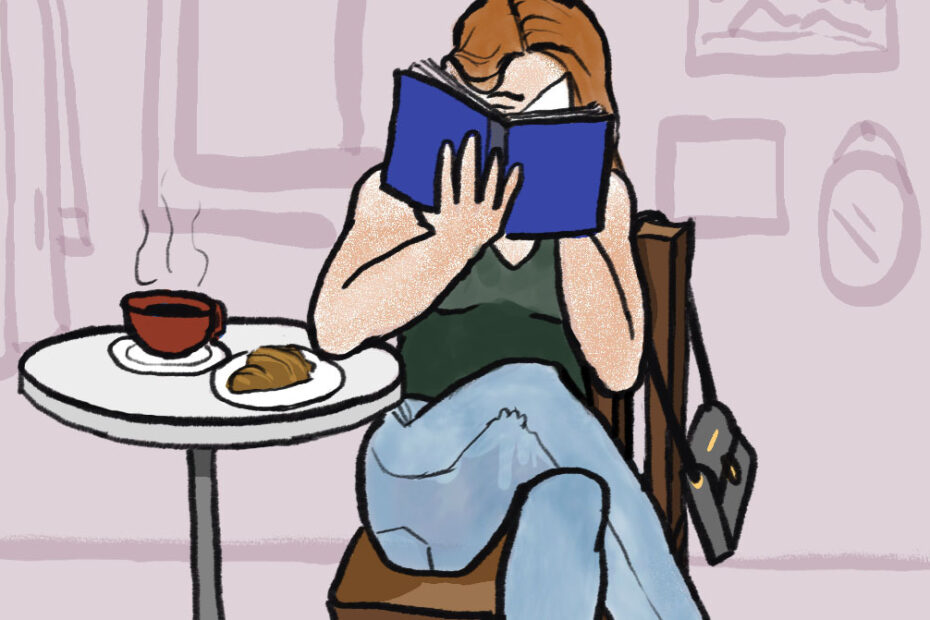
Not being able to find people to accompany me to concerts, art launches, open mics, craft workshops, etc., did not stop me from trying to attend as many of these events as possible. Reading this may lead people to assume I am an outgoing, extroverted person; however, I consider myself to be quite solitary. I enjoy being by myself — it allows me to soak in what is happening around me better, whether it is live music, an art exhibition, spoken poetry or the atmosphere of a coffee shop. I am more than happy to wander into a random event, sit at the bar with my book, a glass of cider, and listen to the jazz band playing (which I have done on many occasions at Barbossa; I could not recommend their Monday jazz nights enough).
Before confessing this to my friends, I thought attending events alone was a common thing for people to do. Why would I stop myself from enjoying something I’m excited about simply because no one I know is interested in joining me? This, to me, seems more odd than choosing to go by myself — I even admit that, at first, it did not even occur to me that solo dates might be fear-inducing. I appreciate the anonymity that comes with being in a crowd of strangers, as well as the pleasant serendipity of bumping into a friendly face or connecting with someone spontaneously, even if this newly formed bond lasts only for the night. After an enlightening conversation with a close friend on our different environments growing up, I may have finally identified the small but critical nuance that influences our views on spending time alone: whether we perceive loneliness as externally inflicted or personally intentional. Growing up as an only child, I learned to bear solitude with pride. As an adult, it became a choice I made when I noticed my social batteries running low. It was a good compromise; I was still able to enjoy shows and artistic events without the added awareness or pressure of ensuring my friend was enjoying themselves as much as I was. Yet, for her, solitude seemed to signify a social shortcoming, and often rhymed with the fear of missing out (FOMO). Was it even worth attending an event if there was no one to bond with?
Reflecting on post-pandemic times when social restrictions were lifted, the sudden possibility of letting the outside world back in seemed daunting for many of us. Our efforts in learning to be comfortable in our own company now seem to have yielded the opposite problem. My tendency to overthink leads me to worry that my recurring desire for solitude might get in the way of my ability to form and maintain long-term friendships. Is our generation, with more options for remote work and solo living, increasingly struggling with building close social bonds? There may not be a solution to achieving a perfect balance between investing in our friendships and our alone time. Sometimes, what we need is simply to listen to our intuition — whether it’s to plan quality time with friends, attend an anticipated event alone or just be a homebody.